



Pabwalo: A new hub for knowledge, arts and ideas in Malawi
Pabwalo: A new hub for knowledge, arts and ideas in Malawi
Pabwalo: A new hub for knowledge, arts and ideas in Malawi
August 2026 - Present
Pabwalo: A new hub for knowledge, arts and ideas in Malawi
Pabwalo: A new hub for knowledge, arts and ideas in Malawi
August 2026 - Present
Pabwalo: A new hub for knowledge, arts and ideas in Malawi
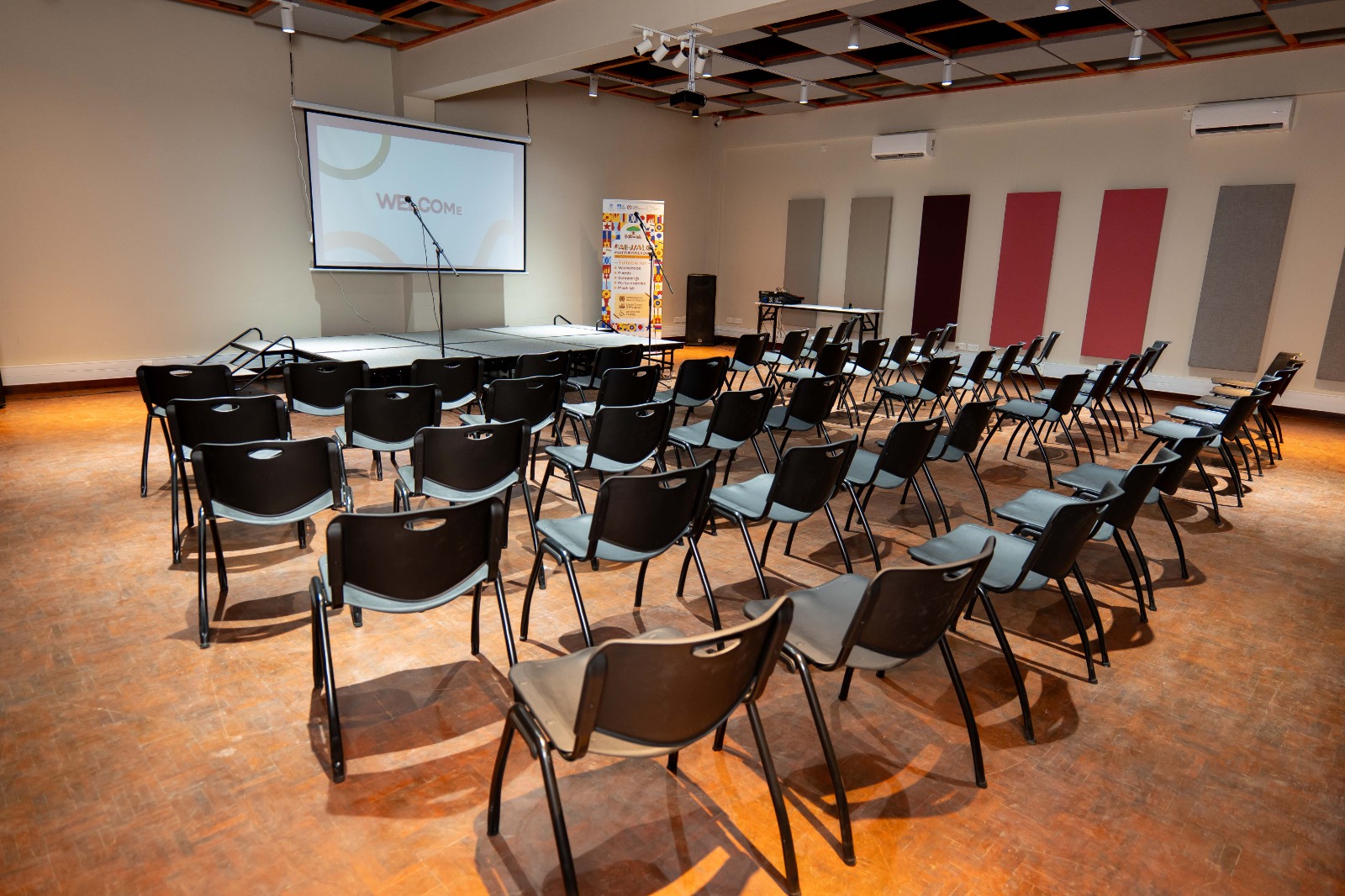
Pabwalo, a Knowledge Square for Citizens, is a new multi-purpose cultural space established in 2026 at the National Library Service (NLS) headquarters in Lilongwe. Established through a partnership between NLS, the Malawi National Commission for UNESCO (MNCU), Music Crossroads Malawi (MCM), and Rei Foundation Limited (RFL), Pabwalo is creating new opportunities to learn, create and take part in cultural life for people in Lilongwe and beyond.
The concept for Pabwalo emerged from a recognition that Lilongwe lacked inclusive public spaces where people could gather to encounter arts, culture and new ideas. Many events in the city take place in hotels, universities or government institutions that may not feel accessible or welcoming to everyone. Financial barriers can also limit participation, while opportunities for children and young people to engage in public cultural programmes remain relatively limited.
The partners envisioned a different kind of space: one that would be welcoming, affordable and open to all. They imagined a place where people of different ages and backgrounds could come together to learn, create, exchange ideas and take part in cultural activities. Located in the centre of Lilongwe and housed within the trusted national library, Pabwalo was created to help meet this need.
The project builds upon a long history of collaboration between RFL, MNCU and NLS. Since 2012, the partners have worked together to safeguard and reactivate Malawi's intangible cultural heritage of folktales and folksongs. Through these initiatives, hundreds of stories and songs have been documented, recording and preserving knowledge shared by communities throughout Malawi so future generations can listen to and learn from it. One of the most visible outcomes of this collaboration has been the storytelling sessions held regularly at the National Library in Lilongwe. Every week, children gather to listen to traditional stories shared by community storytellers. These sessions will now continue in the new Pabwalo space, introducing young people to Malawi's rich oral traditions.
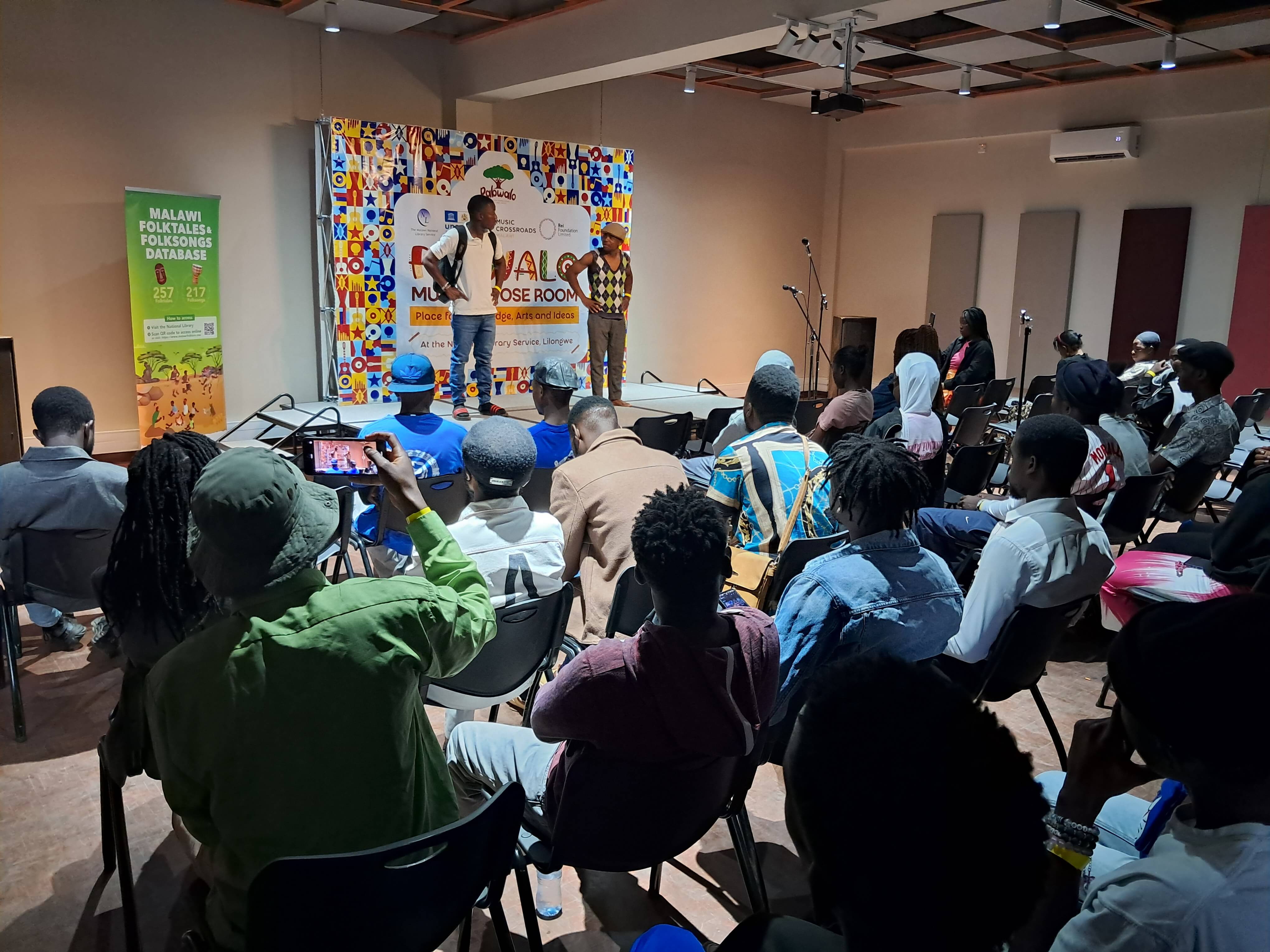
Event at the Pabwalo space at NLS
The impact of these storytelling sessions extended beyond what the partners had initially anticipated. Many children began arriving at the library before the sessions in order to read books and explore the children's section. The success of the programme demonstrated that the library could serve as an important cultural meeting place alongside its more traditional roles. These experiences encouraged the partners to think more broadly about the role public institutions can play in community life. In Malawi, knowledge has long been shared through storytelling, song, dance and face-to-face discussion. Through these traditions, older generations continue to share history, identity and values with younger people.
Pabwalo emerged from this understanding. The project creates a space where different forms of knowledge can coexist and where people are encouraged not just to consume information, but also to share experiences, exchange ideas and create new work together.
Today, Pabwalo serves as a vibrant public space where knowledge, arts, culture and heritage intersect. Through a diverse programme of activities, the project creates opportunities for people of all ages to participate in cultural life and develop their own creativity. Children continue to gather each week for storytelling sessions, ensuring that Malawi's oral traditions remain living practices. Traditional songs and dances are shared with younger generations through interactive performances and workshops, while archival film screenings introduce audiences to Malawi's audiovisual heritage and encourage reflection on the country's history and cultural development.
At the same time, Pabwalo plans to support contemporary creative expression. Workshops and artist talks will encourage young people to develop their own voices through stories, poetry and drama. They will also provide opportunities for emerging artists to develop skills, present their work and engage with wider audiences. Other activities, including spoken word performances, film screenings, exhibitions, traditional games and celebrations of cultural diversity, will contribute to a dynamic programme that reflects the many different ways in which culture is created, experienced and shared in Malawi. By bringing together traditional and contemporary forms of expression, Pabwalo preserves cultural heritage while encouraging new forms of creativity.
Young people are a particular focus of the project. By creating opportunities for children and youth to encounter artists, storytellers and other cultural practitioners, Pabwalo nurtures curiosity, creativity and confidence. The project recognises young people as active participants and future custodians of Malawi's cultural heritage, encouraging them to practise, reinterpret and carry these traditions into the future.
For Rei Foundation, Pabwalo reflects a broader belief that communities flourish when people have places where they can develop a sense of belonging, purpose and connection to others. A "place to be" is more than a physical location. It is a space where people can explore who they are, build relationships and contribute meaningfully to their communities. More than simply a venue for events, Pabwalo seeks to become such a place: a welcoming public space where knowledge, culture and creativity can be shared by all.
Visit the Pabwalo's Facebook page here.
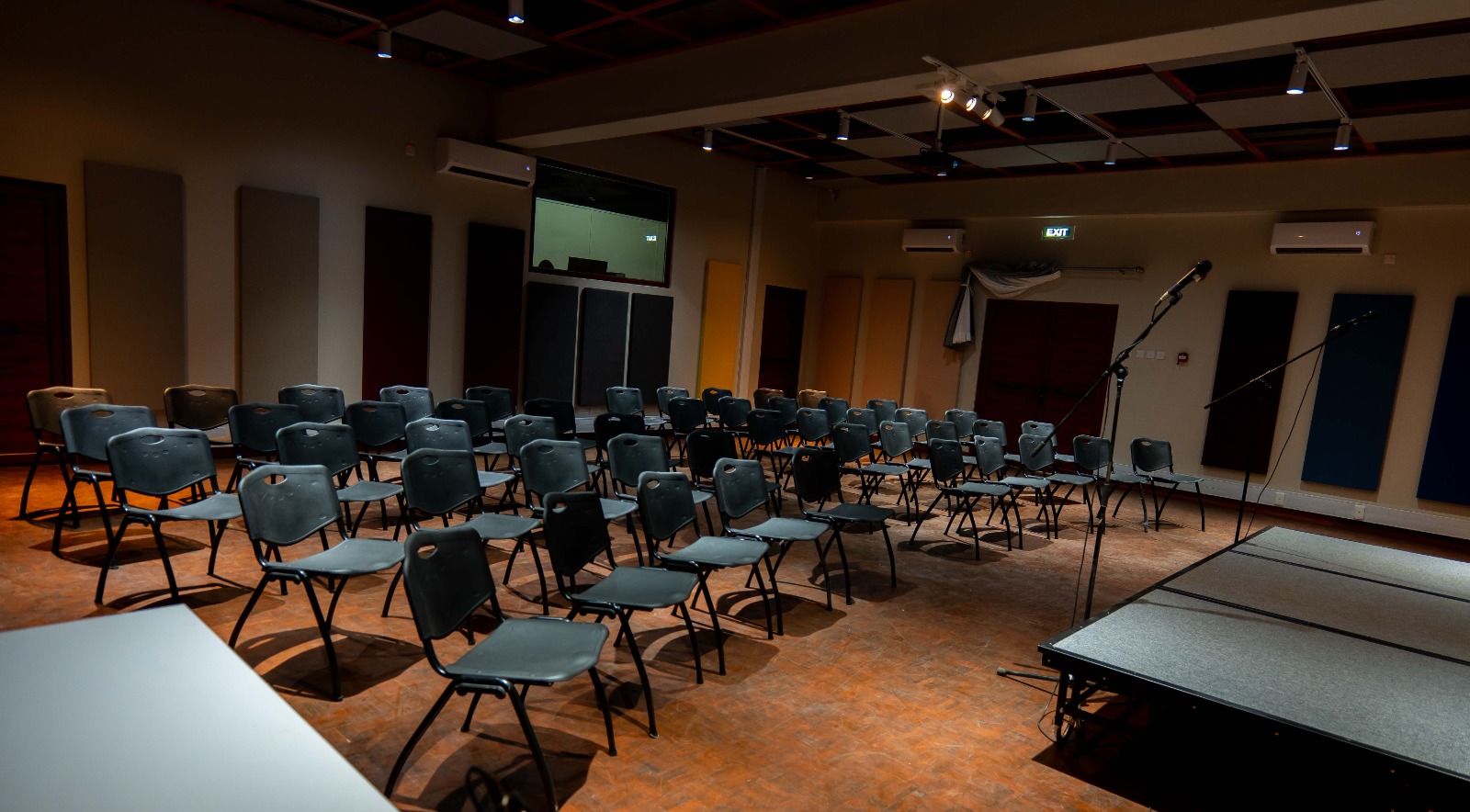
View of the Pabwalo space at NLS

Return to Projects